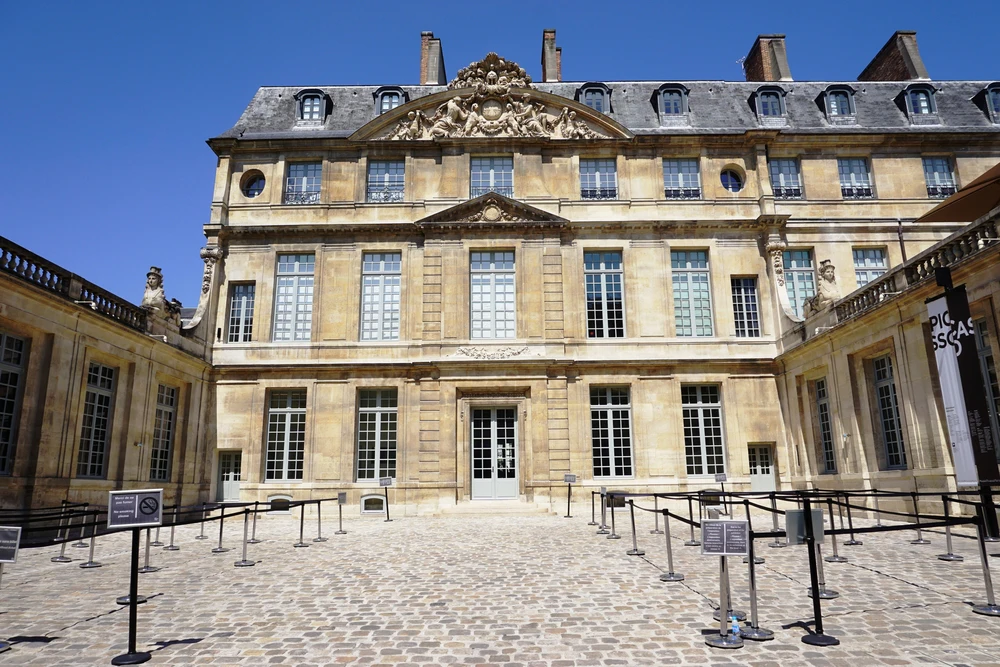
Explore the world's most extensive public collection of Picasso's art in the historic Hôtel Salé, a 17th-century baroque mansion in the Marais district.
Visit Info & Tips
Nestled in the historic Marais district, the Musée Picasso Paris is a vibrant testament to the prolific genius of Pablo Picasso, one of the most influential artists of the 20th century. Housed within the magnificent Hôtel Salé, a grand 17th-century mansion, the museum offers an unparalleled journey through Picasso's extraordinary career, from his early Blue and Rose periods to Cubism, Surrealism, and his later works. The collection is unique not only for its sheer size but also because it was assembled largely from Picasso's personal estate, giving visitors an intimate glimpse into the works he chose to keep for himself, his family, and his friends. The museum's collection spans over 5,000 works, including paintings, sculptures, drawings, ceramics, engravings, and notebooks. It provides a comprehensive overview of Picasso's artistic evolution, showcasing his continuous experimentation with different styles, materials, and techniques. Beyond the finished masterpieces, you'll discover preparatory sketches, studies, and personal photographs, revealing the artist's creative process and his unwavering commitment to pushing artistic boundaries. The arrangement within the elegant Hôtel Salé allows for a chronological exploration, making it easy to follow the trajectory of his groundbreaking artistic journey. Beyond the extensive permanent collection, the Musée Picasso Paris frequently hosts temporary exhibitions that delve deeper into specific aspects of Picasso's work or explore his relationships with other artists. The museum also boasts a charming bookstore and a café with a lovely outdoor terrace, perfect for a moment of reflection after immersing yourself in the world of Picasso. With its breathtaking architecture, rich history, and an unparalleled collection, the Musée Picasso Paris is an essential pilgrimage for art lovers and anyone wishing to understand the revolutionary spirit of modern art.





Practical Info
About Musée Picasso Paris
The Musée National Picasso-Paris is uniquely situated in the Hôtel Salé, widely considered one of the most extravagant 'hôtels particuliers' or grand townhouses of the 17th century. Built between 1656 and 1659 for Pierre Aubert de Fontenay, a wealthy tax collector, the building's nickname 'Salé' (salted) refers to his role in collecting the 'gabelle' or salt tax. The mansion's Baroque architecture provides a dramatic, classical backdrop to the avant-garde works of the 20th century. The museum's existence is a direct result of a unique Japanese-style inheritance tax law in France. Following Pablo Picasso's death in 1973, his heirs donated an immense portion of his work to the French state in lieu of inheritance taxes. This 'dation' ensured that the collection remained intact, representing every phase of the artist's prolific career rather than being scattered across private auctions. Inside, the museography is designed to lead visitors through Picasso’s artistic metamorphosis. The collection spans his early Blue and Rose periods, the groundbreaking years of Cubism, his neoclassical turn in the 1920s, and the raw, expressive works created during the occupation of Paris. The displays also feature his sculptures, ceramics, and even the sketches that preceded his greatest canvases. Beyond his own work, the museum holds Picasso’s private collection of other masters. This includes significant pieces by Paul Cézanne, Henri Matisse, and Henri Rousseau, offering a rare glimpse into the influences and rivalries that shaped the modern art movement. After a comprehensive five-year renovation ending in 2014, the museum now offers double the exhibition space and a refined layout by Diego Giacometti.
What to See
Musée Picasso Paris
La Celestina (1904)
Self-Portrait (1906)
Man with a Mandolin (1911)
Figures by the Sea (1931)
Bust of a Woman (Marie-Thérèse) (1931)
The Goat (1950)
FAQ
Exhibitions
3
Virtual Reality: Metamorphoses de Guernica
Musée Picasso ParisThe content discusses cookie usage on a website and its impact on user experience. It outlines categories of cookies: necessary, functional, analytics, and advertisement cookies, providing examples and their purposes. Necessary cookies, such as localization and session management, are essential for site functionality. Functional cookies enhance user interactions, while analytics cookies collect data to improve website performance. Advertisement cookies tailor ads based on user behavior. The page also emphasizes user privacy, allowing individuals to manage their cookie preferences. Additionally, it highlights an upcoming exhibition—'The Metamorphoses of Guernica'—at the Musée national Picasso-Paris, detailing its significance and offering related ticket options.
8 aprile — 7 settembre 2026
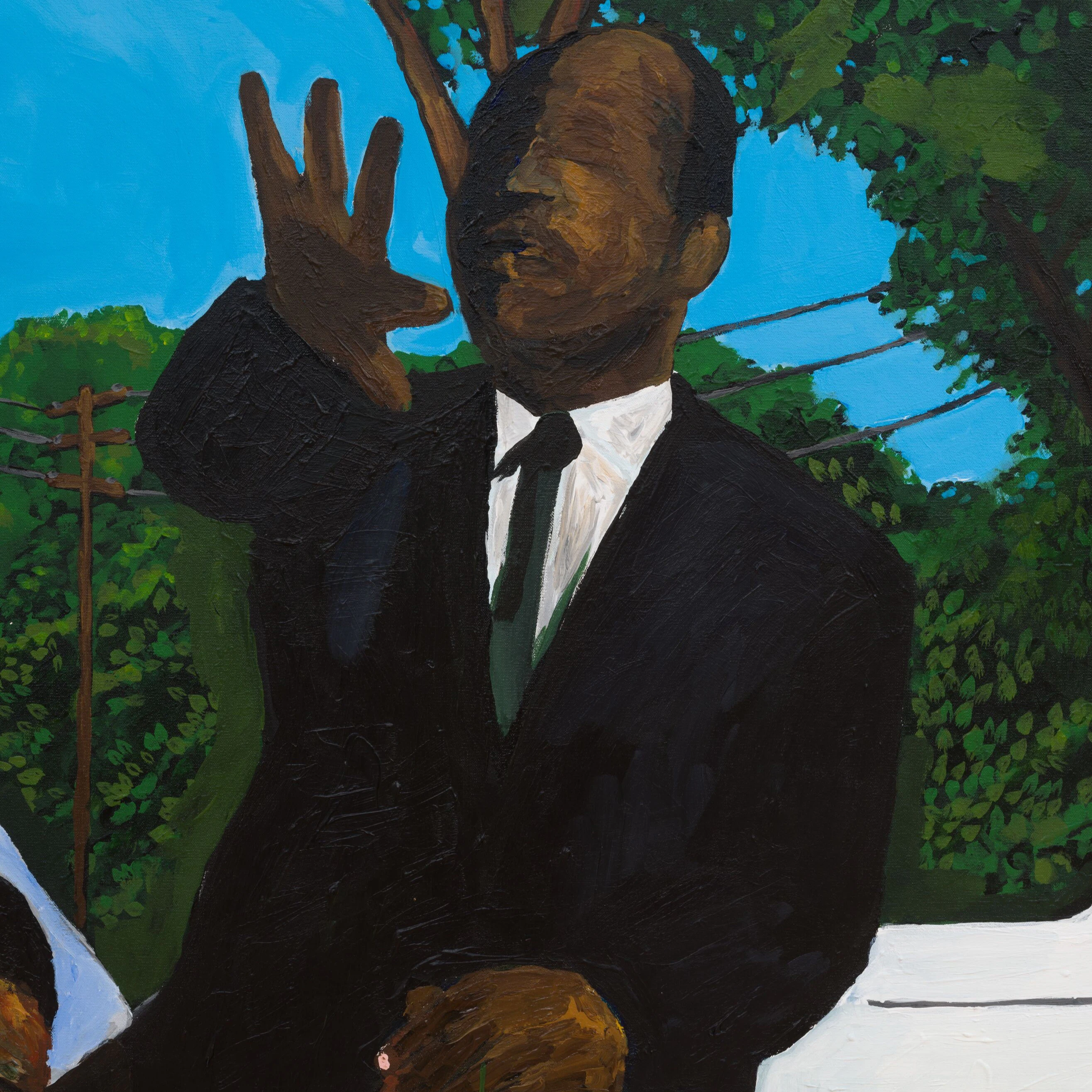
Henry Taylor
Musée Picasso ParisThe content discusses the personalized experience offered by a website using cookies, emphasizing user privacy and the option to manage cookie settings. It details types of cookies used, including necessary cookies for website functionality, functional cookies for user interaction features, analytics cookies for tracking user behavior, and advertisement cookies for targeted ads. Additionally, the Musée National Picasso-Paris is highlighted, showcasing its exhibition on Henry Taylor and key operational details, including location, opening hours, and ticket information.
8 aprile — 7 settembre 2026

Guillermo Kuitca, Chapelle
Musée Picasso ParisThe content focuses on cookie settings and usage on a website, emphasizing the importance of cookies in providing personalized user experiences. It outlines various categories of cookies, including necessary, functional, analytical, and advertisement cookies, detailing their purposes and durations. Additionally, the section highlights the option for users to manage their cookie preferences, with an invitation to learn more about privacy policies and effects of cookie blocking. The latter part includes information about the Musée National Picasso-Paris, showcasing its exhibitions and facilities, including visiting hours, location, and customer reviews praising the museum's collections and atmosphere.
25 novembre — 30 novembre 2026
Exhibitions FAQ
What exhibitions are on at Musée Picasso Paris?
3 exhibitions currently scheduled at Musée Picasso Paris: Virtual Reality: Metamorphoses de Guernica; Henry Taylor; Guillermo Kuitca, Chapelle.
Do I need to book in advance?
Yes — temporary exhibitions at Musée Picasso Paris sell out quickly, especially on weekends. Booking a timed-entry ticket online is strongly recommended.
History
<p>The story of the Musée Picasso Paris is intrinsically linked to the artist's life and the French legal system. Upon Picasso's death in 1973, he left behind an astounding number of artworks, which, under French law, were subject to substantial inheritance taxes. In a unique agreement known as 'dation en paiement,' his heirs offered a significant portion of his personal collection to the French state in lieu of monetary payment. This extraordinary acquisition formed the core of what would become the Musée Picasso.</p><p>The search for a suitable home for this immense treasure began, and the majestic Hôtel Salé, located in the historic Marais district, was chosen. Built between 1656 and 1659 for Pierre Aubert de Fontenay, a salt tax collector (hence 'Salé', meaning 'salted'), the mansion itself has a rich history, having served various purposes from a private residence to a school and even a bronze foundry. Its opulent Baroque architecture, with grand staircases, intricate carvings, and vast spaces, provided the perfect setting to showcase Picasso's diverse oeuvre.</p><p>After extensive renovation work by architect Roland Simounet, which sensitively integrated modern museum facilities within the historic structure, the Musée Picasso officially opened its doors to the public in 1985. A second major renovation took place between 2009 and 2014, expanding exhibition spaces and improving visitor services, solidifying its status as a world-leading institution dedicated to Picasso.</p>
Save more with a Paris Pass that includes Musée Picasso Paris
Bundle multiple top attractions, skip lines and pay less per ticket.
- Multi-attraction access
- Skip-the-line entry
- Better value than single tickets
- Free cancellation on most passes
Prices and inclusions verified with our partners Tiqets and Headout.
You may also like
Other attractions near Musée Picasso Paris


🎟️ Book tickets for Musée Picasso Paris
Book now ↗Book now ↗