
The Palais Garnier is a 19th-century Beaux-Arts masterpiece and the historic heart of French opera that served as the primary setting for The Phantom of the Opera. Visitors flock here to marvel at the sweeping Grand Staircase, the opulent gold-leafed Grand Foyer, and Marc Chagall’s vibrant 1964 ceiling fresco in the main auditorium.
Visit Info & Tips
The most popular way to experience the landmark is via the Palais Garnier Self-Guided Tour, which grants access to the public areas including the library-museum and the majestic Rotunda. To maximize your time in Paris, consider a bundle that pairs the opera house with a Seine River Cruise or a 24/48-hour Hop-On Hop-Off Bus Tour for a seamless city exploration. For those wanting to see France's ultimate icons of luxury, the Versailles + Palais Garnier bundle offers a perfect thematic pairing. Always book your timed entry online in advance, as ticket windows often sell out due to daily rehearsals and high demand.




Compare & Save
Informazioni pratiche
About Palais Garnier
Commissioned by Napoleon III and designed by the then-unknown architect Charles Garnier, the Palais Garnier is an architectural triumph of the Second Empire style. Opened in 1875, the building was part of Baron Haussmann's massive renovation of Paris, standing at the end of the Avenue de l'Opéra as a symbol of imperial luxury and cultural prestige. The exterior is a symphony of diverse materials, showcasing multicolored marbles, rose-colored columns, and intricate bronze statuary. The façade features famous sculptural groups like Jean-Baptiste Carpeaux's 'La Danse,' while the roof is crowned by emerald-green copper domes and statues of Apollo, Poetry, and Music. Upon entering, the interior reveals a level of opulence that rivals any palace in Europe. The Grand Staircase, built from white Carrara marble with balustrades of red and green marble, rises thirty meters toward a ceiling painted by Isidore Pils. It was designed not just for movement, but as a stage for the Parisian elite to see and be seen during intermissions. The Grand Foyer serves as the building's social heart, heavily inspired by the Hall of Mirrors at Versailles. With its 18-meter-high ceiling dripping in gold leaf and mosaics, it reflects the light from massive crystal chandeliers, creating a dazzling atmosphere that transports visitors back to the Belle Époque. The auditorium remains the house's crown jewel, featuring red velvet seats and the famous six-tonne crystal chandelier. In a bold move in 1964, André Malraux commissioned Marc Chagall to paint a new ceiling, which now depicts scenes from famous operas in a swirling, modern contrast to the classical gold-and-red architecture below.
What to See
Palais Garnier
The Grand Staircase
The Grand Foyer
Chagall’s Ceiling
The Library-Museum
The Rotunda of the Sun and Moon
The Phantom’s Box
FAQ
Mostre
1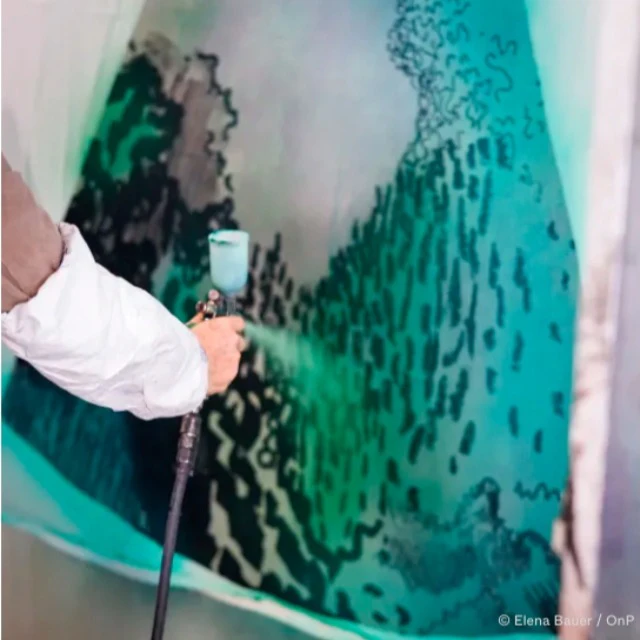
Défis de création
Palais GarnierThe page provides detailed information about cookie usage on a website that aims to enhance user experience through personalization. It covers types of cookies utilized, including necessary, functional, analytical, advertisement, and uncategorized cookies. Each type details its purpose, duration, and specific functions, such as securing logins, improving site interaction, and tracking advertising effectiveness. Users are given control over their cookie preferences, encouraging them to manage settings for a tailored browsing experience. Additionally, there’s a spotlight on an exhibition at the Palais Garnier, highlighting its architectural significance and showcasing upcoming events in Paris.
20 aprile — 1 ottobre 2026
Domande frequenti sulle mostre
Quali mostre sono in corso a Palais Garnier?
1 mostra attualmente in programma a Palais Garnier: Défis de création.
È necessario prenotare in anticipo?
Sì — le mostre temporanee a Palais Garnier si esauriscono rapidamente, soprattutto nei weekend. Si consiglia di prenotare un biglietto con ingresso a orario online.
La Storia
Commissioned by Napoleon III during the massive reconstruction of Paris led by Baron Haussmann, the Palais Garnier stands as a definitive masterpiece of Beaux-Arts architecture. Charles Garnier, a then-unknown 35-year-old architect, won the competition to design the new opera house in 1861. The building was intended to be a stage not just for music, but for the Parisian high society of the 19th century to see and be seen. The design is characterized by its eclectic 'Napoleon III' style, which blends elements of Classicism, Baroque, and Renaissance aesthetics into a cohesive, highly ornamental structure. Construction was delayed by the Franco-Prussian War and the fall of the Empire, but the opera finally opened its doors in 1875. Throughout the interior, the use of diverse materials—multicolored marble, velvet, and gilt—reflects the wealth of the era. The building also gained mystical fame through Gaston Leroux’s novel 'The Phantom of the Opera,' inspired by the real subterranean lake used for hydraulic machinery and the mysterious atmosphere of the structure's lower levels. In 1964, the monument bridged the gap between tradition and modernism when Marc Chagall was commissioned to repaint the auditorium ceiling, a vibrant contrast to the traditional architecture that remains one of the most discussed features of the palace today.
Risparmia con un Paris Pass che include Palais Garnier
Combina più attrazioni top, salta la coda e paga meno a biglietto.
- Accesso a più attrazioni
- Salta la coda
- Più conveniente dei biglietti singoli
- Cancellazione gratuita su molti pass
Prezzi e inclusioni verificati con i nostri partner Tiqets e Headout.
Potrebbe interessarti
Altre attrazioni vicino a Palais Garnier


🎟️ Prenota biglietti per Palais Garnier
PRENOTA ORA ↗PRENOTA ORA ↗